


In recent decades, we have witnessed a dramatic increase in the prevalence of diabetes worldwide, making it one of the most pressing public health concerns of our time. Among the different types of diabetes, Type 2 diabetes is particularly alarming due to its rising incidence, particularly in younger populations.

In recent years, the debate over plant-based versus meat-based diets has gained significant attention, particularly as awareness of health, environmental sustainability, and animal welfare issues increases. Advocates of plant-based diets argue that they offer numerous health benefits and are essential for reducing our carbon footprint. Conversely, supporters of meat-based diets argue that animal products are vital sources of essential nutrients.
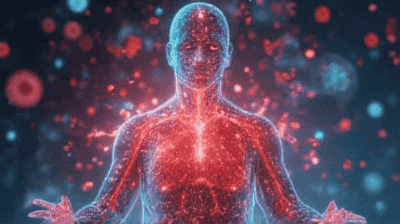
Allergies are increasingly prevalent in today's world, affecting millions of people across the globe. From seasonal allergies caused by pollen to severe reactions triggered by foods, the immune system's overreaction to harmless substances can result in discomfort and sometimes life-threatening situations. Understanding the science of allergies is crucial for managing these conditions, improving quality of life for sufferers, and potentially finding more effective treatments.

In recent years, the terms probiotics and prebiotics have gained significant attention in discussions about health, nutrition, and gut health. As more people become aware of the importance of maintaining a healthy gut microbiome, understanding the roles of probiotics and prebiotics becomes essential.

Water is fundamental to life, making up about 60 percent of the human body. It plays critical roles in various physiological functions, including temperature regulation, nutrient transport, waste elimination, and overall cellular function. Despite its importance, many people remain uncertain about how much water they actually need for optimal health.

Depression is a complex and multifaceted mental health disorder that affects millions of people worldwide. It goes beyond transient feelings of sadness or low mood, impacting daily functioning, relationships, and overall quality of life. Understanding the neuroscience of depression can provide valuable insights into its causes, symptoms, and potential treatments.
In recent years, the ketogenic diet, characterized by high fat and low carbohydrate intake, has gained widespread popularity as a potential solution for weight loss, improved energy levels, and even certain health conditions. At the core of this diet is a physiological state known as ketosis, a metabolic process that shifts the body's primary source of energy from carbohydrates to fats.

Addiction is a pervasive and complex psychological and physiological condition that affects millions of people worldwide. It can manifest in various forms, from substance abuse to behavioral addictions such as gambling, eating, or shopping. Understanding the psychology of addiction is crucial for grasping why breaking bad habits is often so challenging.

In today's fast-paced world, convenience often trumps nutritional quality when it comes to food choices. As a result, the consumption of processed and ultra-processed foods has soared, prompting health professionals and researchers to examine their impact on public health. While not all processed foods are harmful, ultra-processed foods—characterized by their industrial formulations and high levels of additives—raise significant health concerns.

Anxiety is a universal human experience. It can manifest in various forms, from fleeting feelings of nervousness before a big presentation to debilitating anxiety disorders that interfere with daily life. Anxiety disorders are among the most common mental health conditions, affecting millions of individuals worldwide. Understanding why some brains are wired for constant worry can shed light on the biological, psychological, and environmental factors that contribute to these disorders.