


The deep ocean, covering more than 60 percent of our planet's surface, remains one of Earth's last unexplored frontiers. Despite its vastness and significance, the depths of the ocean are shrouded in mystery. From bizarre creatures thriving in extreme environments to unique ecosystems that play a crucial role in global climate regulation, the deep ocean is teeming with life and potential discoveries.

Water is one of the most essential substances on Earth, shaping our planet's landscapes, ecosystems, and climates. The water cycle, also known as the hydrological cycle, describes the continuous movement of water in its various forms—liquid, solid, and gas—through the environment. This complex and dynamic process plays a critical role in sustaining life and influencing weather patterns.
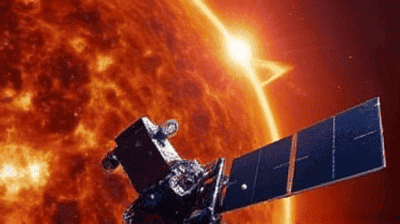
The Sun, a seemingly tranquil ball of fire at the center of our solar system, is anything but peaceful. It regularly emits powerful bursts of energy and charged particles, known as solar storms. These events can have profound effects on space weather, impacting satellites, power grids, and even the technologies that millions of people rely on every day. Understanding solar storms and their potential threats is crucial for protecting our technology and infrastructure.
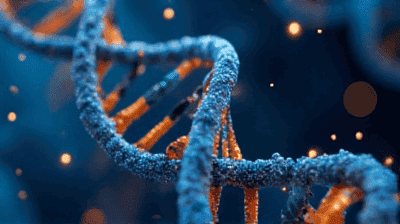
The field of genetics has seen monumental advances in recent years, with one of the most significant breakthroughs being the development of CRISPR gene editing technology. CRISPR, which stands for Clustered Regularly Interspaced Short Palindromic Repeats, has revolutionized our understanding of genetics and opened new avenues for treating diseases, from genetic disorders to certain types of cancer.
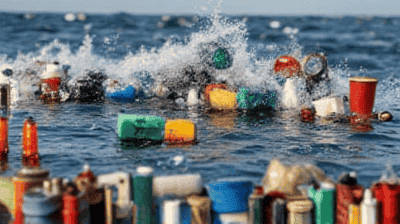
In recent decades, plastic pollution has emerged as one of the most pressing environmental challenges facing our planet. As the world grapples with the consequences of plastic waste, understanding how polymers are made and why they persist in the environment is crucial.

From the dazzling displays of fireworks lighting up the night sky to the powerful roar of car engines propelling vehicles forward, the concepts of explosions and combustion are fundamental to our understanding of chemistry and energy. Both phenomena involve rapid reactions that release energy, but they differ significantly in their mechanisms and effects.
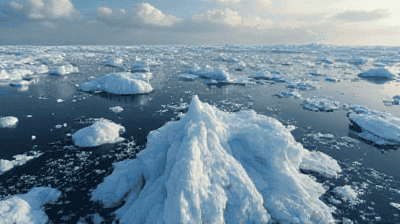
Climate change is one of the most pressing issues facing humanity today, with significant implications for both the environment and society. As global temperatures rise, the effects of climate change become increasingly evident, particularly in polar regions where ice is melting at an alarming rate. One of the critical aspects of this phenomenon is the feedback loops that amplify the initial warming, making the situation worse over time.

Aging is a universal and inevitable process that affects all living organisms. While we each experience the passage of time and its effects uniquely, the underlying mechanisms of aging have fascinated scientists and philosophers throughout history. As we strive to understand the science of aging, we are confronted with profound questions: Why do we grow old? What biological processes drive aging? And most importantly, can we slow it down or even reverse some aspects of it?

Cooking is often seen as an art, but it is deeply rooted in science. One of the most fascinating chemical processes that occurs during cooking is the Maillard reaction, a complex series of reactions that not only enhances the flavor and aroma of food but also contributes to its color and texture.

The possibility of extraterrestrial life has fascinated humanity for centuries. From ancient astronomers gazing at distant stars to modern scientists deploying sophisticated telescopes and spacecraft, the quest to discover life beyond Earth is a driving force in contemporary astronomy and astrobiology. Among the many avenues of exploration, the search focuses on promising locations within our solar system and the broader cosmos, ranging from the subsurface oceans of Europa, a moon of Jupiter, to the signals