

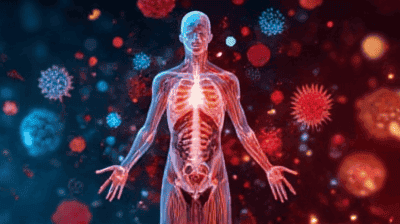
The human immune system is a remarkable defense network that protects us against pathogens and diseases. However, in some individuals, this intricate system turns against its own tissues, leading to autoimmune diseases. Conditions such as rheumatoid arthritis, lupus, and multiple sclerosis occur when the immune system mistakenly identifies healthy cells as foreign invaders, resulting in inflammation, tissue damage, and a range of debilitating symptoms. Understanding the underlying mechanisms of autoimmune d
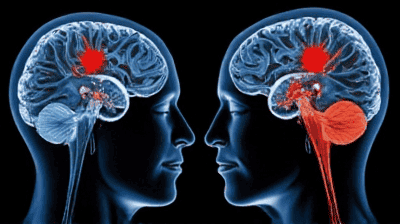
Neurodegenerative diseases represent a group of disorders characterized by the progressive degeneration of the structure and function of the nervous system. Among these, Alzheimer's disease and Parkinson's disease are two of the most common and widely recognized conditions. Both diseases primarily affect older adults and share some overlapping symptoms, but they involve distinctly different pathological processes in the brain. Understanding the differences between Alzheimer's and Parkinson's diseases is cru
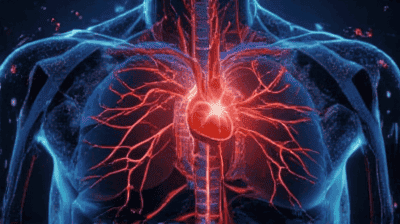
Heart disease remains the leading cause of death worldwide, claiming an estimated 17.9 million lives each year. Despite advances in medical research, technology, and public health initiatives, the prevalence of heart disease continues to rise. Understanding the various factors contributing to this ongoing epidemic is essential for addressing the challenges of cardiovascular health in the 21st century.

Happiness is a universal aspiration, yet it often feels elusive. Despite the myriad of factors influencing our moods, science has provided valuable insights into the biological underpinnings of happiness, particularly the roles of serotonin and dopamine. These neurotransmitters are key players in regulating our emotions, motivations, and overall sense of well-being.

Intermittent fasting, a dietary approach that alternates periods of eating and fasting, has gained immense popularity in recent years. Advocates claim it offers numerous health benefits, including weight loss, improved metabolic health, and even longevity. However, intermittent fasting is not for everyone, and it is essential to understand the evidence behind its benefits, the potential risks, and who might consider trying it.

Air pollution is an escalating global concern that poses significant threats to public health and the environment. While many people may think air pollution primarily affects those living in industrialized cities or areas with heavy traffic, the reality is that even low levels of air pollution can have detrimental effects on health.
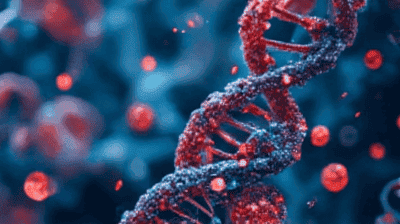
Genetic disorders are conditions that result from anomalies in an individual’s DNA. While some genetic disorders are common, many are rare and can have devastating effects on those affected and their families. These rare genetic disorders, often categorized as orphan diseases, present significant challenges for diagnosis, treatment, and research. However, the advent of advanced genomic technologies, particularly CRISPR-Cas9 gene editing, offers new hope for the treatment of these previously incurable diseas
Inflammation is a complex biological process that serves as the body’s defense mechanism against injury, infection, and disease. While acute inflammation plays a critical role in healing and protecting the body, chronic inflammation has been implicated in a wide range of health problems, from autoimmune diseases to heart disease and even cancer. Understanding the dual nature of inflammation is essential for recognizing its roles in health and disease.
Antimicrobial resistance (AMR) has emerged as one of the most pressing global health challenges of the 21st century. As bacteria, viruses, fungi, and parasites evolve, they develop resistance to the very treatments designed to eliminate them. This phenomenon has led to the rise of "superbugs," strains of bacteria that are resistant to multiple antibiotics and other antimicrobial agents. With many common infections becoming increasingly difficult to treat, there is growing concern about the implications of A
Chronic pain is a complex and multifaceted condition that affects millions of people worldwide. Unlike acute pain, which serves as a warning signal of injury and typically resolves once the underlying issue is treated, chronic pain persists long after the initial cause has been addressed—or even in the absence of any identifiable physical damage. This phenomenon can be puzzling for patients and healthcare providers alike, leading to significant physical, emotional, and social consequences. Understanding chr