


As the global population continues to grow and climate change accelerates, the interconnected issues of deforestation and hunger loom larger than ever. Deforestation, driven by agricultural expansion, logging, and infrastructure development, has far-reaching impacts on ecosystems, biodiversity, and the climate.
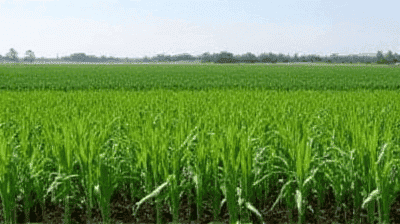
In the quest for sustainable agriculture, one of the most effective yet often overlooked practices is the use of cover crops. Cover crops are plants grown primarily to improve soil health rather than for harvest. These crops serve various purposes, from preventing soil erosion to enhancing nutrient availability and reducing the need for chemical inputs.
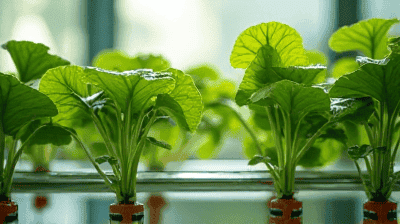
As the world grapples with the challenges of feeding a growing population while combating climate change, sustainable farming methods have emerged as viable solutions. Among these methods, aquaponics and hydroponics have gained significant attention for their potential to produce food efficiently while minimizing environmental impact.
Expiration dates are a common fixture on food packaging, often dictating what we eat and when we throw food away. While these dates are designed to protect consumers and ensure food safety, they can also lead to significant confusion and waste.
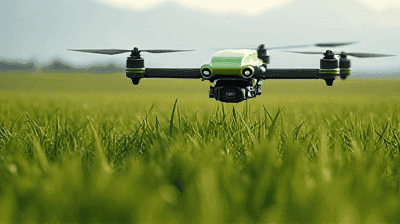
The agriculture industry is experiencing a transformative revolution fueled by advancements in technology. As the global population continues to grow, the demand for sustainable food production intensifies.
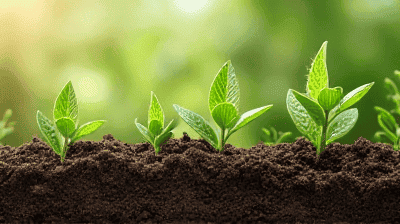
As the global population continues to grow, the need for sustainable agricultural practices is more pressing than ever. Conventional farming methods have contributed to soil degradation, loss of biodiversity, and significant greenhouse gas emissions, all of which threaten food security and the health of our planet.

The world of food technology is undergoing a remarkable transformation, and one of the most exciting developments is the advent of 3D printed food. Imagine a future where meals are created by machines, tailored to our individual tastes and nutritional needs.

In recent years, the term "ultra processed foods" has entered the mainstream conversation about diet and health. As food scientists, nutritionists, and public health experts continue to investigate the effects of these products on human health, a clearer picture is emerging.
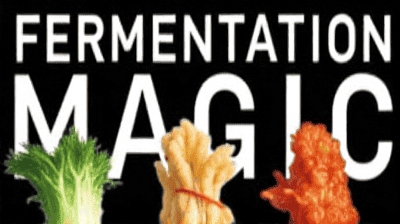
Fermentation is one of the oldest food preservation methods known to humanity, a process that transforms simple ingredients into complex and flavorful foods. Among the countless examples of fermentation, two standout products are kimchi and soy sauce—each deeply rooted in their respective cultures and culinary traditions.
In the world of agriculture, the idea that some plants can thrive better when grown in proximity is not just folklore; it is a science-backed practice known as companion planting. This time-honored technique has been used for centuries across cultures and regions, promoting healthier plants and more productive gardens.

As the global population continues to grow and the demand for food increases, the challenges facing modern agriculture have become more pronounced. One of the most significant issues is soil erosion, which can lead to reduced agricultural productivity, loss of arable land, and adverse environmental impacts.

In recent years, plant-based meat alternatives have surged in popularity, driven by growing concerns about health, the environment, and animal welfare. Consumers are seeking new ways to enjoy familiar flavors, and science has responded with innovative technologies that replicate the taste, texture, and juiciness of traditional meat without involving animals.

Food is a fundamental aspect of our daily lives, providing nourishment and enjoyment. However, lurking behind the enjoyment of a meal is a hidden danger: foodborne pathogens. Every year, millions of people around the world fall ill due to foodborne illnesses, with some cases resulting in severe complications or even death.

As the global population continues to rise, the challenge of food security becomes increasingly pressing. Hunger remains a significant issue in many parts of the world, with millions of people lacking access to sufficient and nutritious food.
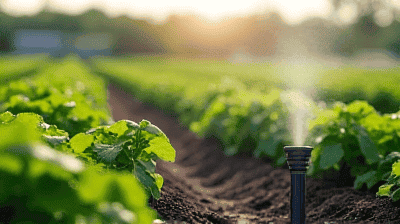
Water is one of the most crucial resources for agriculture. As the global population continues to rise, so does the demand for food, leading to increased pressure on water resources. Traditional irrigation methods often lead to water wastage and inefficiencies, making it imperative to adopt more sustainable practices.