

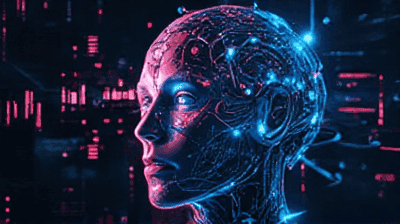
As artificial intelligence continues to evolve, we find ourselves at the crossroads of unprecedented technological advancement and ethical considerations. Autonomous decision-making systems, powered by AI, are now capable of executing tasks ranging from simple data analysis to complex decisions that can significantly impact human lives. With these capabilities come profound questions about the ethical implications of AI systems. Should we fear these autonomous systems?
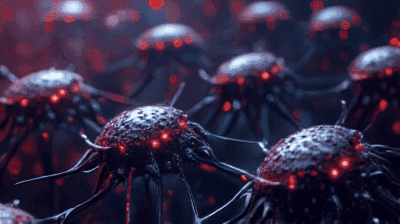
Swarm robotics is an exciting and rapidly developing field that explores how groups of simple robots can work together to perform complex tasks, much like the intricacies of insect colonies. Inspired by social insects such as ants, bees, and termites, swarm robotics utilizes principles of collective behavior to design systems where numerous robots operate in parallel, sharing information and resources effectively.

For decades, the dream of space travel was constrained by the high costs and limitations of traditional launch systems. The advent of reusable rocket technology has revolutionized this landscape, bringing us closer to a future where space is accessible to everyone. At the forefront of this revolution is SpaceX's Starship, a fully reusable spacecraft designed for missions ranging from satellite deployment to interplanetary travel.

The prospect of human exploration of Mars has fascinated scientists, engineers, and space enthusiasts for decades. However, one of the major challenges of sending humans to Mars is the time it takes to travel the vast distance between Earth and the Red Planet. Current chemical propulsion systems require several months to make the journey, raising concerns about the health and safety of astronauts during prolonged space flights. One potential solution to this problem lies in nuclear propulsion technology.
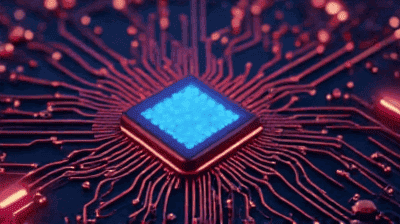
Imagine a world where your smartphone continues to function perfectly even after suffering from minor damages. What if your gadgets could repair themselves automatically, just like human skin heals from cuts and abrasions? This vision is becoming a reality through the development of self-healing electronics. As technology continues to advance at a rapid pace, research in materials science has led to the creation of circuits that can mend themselves after being damaged.

Artificial intelligence represents one of the most exciting frontiers of science and technology today. As researchers and engineers develop increasingly sophisticated neural networks, a compelling question arises: How closely do these artificial systems mirror the workings of the human brain?
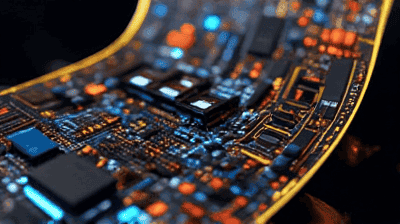
In our fast-paced world, technology is evolving at lightning speed, with innovations reshaping the way we interact with devices. One of the most exciting frontiers in this realm is flexible electronics, a field that promises to revolutionize the design and functionality of consumer gadgets. From bendable smartphones to wearable technology, flexible electronics are set to transform our daily lives in ways we have only begun to imagine.