
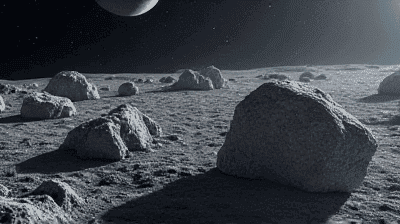
As the global population continues to grow and technological advancements push the boundaries of resource consumption, the quest for sustainable solutions to Earth's resource problems intensifies.
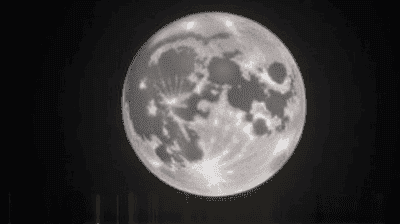
The Moon, Earth's only natural satellite, has captivated humanity for millennia. Its presence has inspired countless myths, legends, and artistic works, playing a crucial role in the cultural and scientific development of civilization.
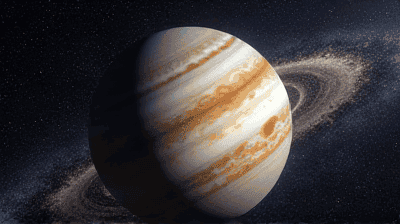
Jupiter, the largest planet in our solar system, has captivated astronomers and space enthusiasts alike for centuries. Its swirling clouds, massive storms, and iconic Great Red Spot present a breathtaking image of a gas giant that has fascinated researchers since the dawn of modern astronomy.
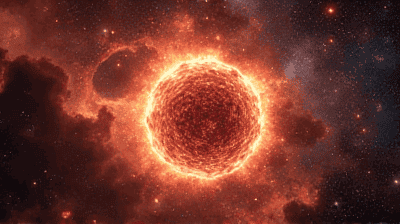
The universe is an expansive and enigmatic entity that has fascinated humanity for millennia. As we delve deeper into the cosmos, we confront fundamental questions about its origins, behavior, and eventual fate.
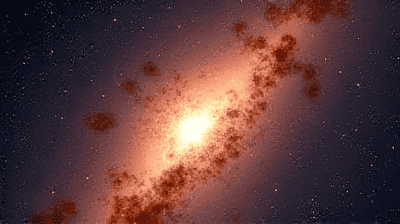
The universe we observe today can be traced back to a moment over 13 billion years ago—a moment known as the Big Bang. This cosmic explosion marked the beginning of space, time, and matter. While the event itself is hidden in the depths of time, the remnants of the Big Bang linger on in the form of the Cosmic Microwave Background (CMB) radiation.